



When global urban rankings are published, the spotlight usually falls on financial titans, tech hubs, or ultra-modern metropolises boasting towering skyscrapers and high-speed transit networks. However, the international conversation surrounding urban success has undergone a profound transformation in recent years. Today, city planners, sociologists, and residents are shifting their focus away from raw economic output and toward the human experience of daily life. The true measure of a city is no longer defined merely by its gross domestic product or skyline density, but by the genuine sense of joy, belonging, and well-being it fosters among the people who call it home.
In a landmark recognition of this human-centric shift, Time Out released its highly anticipated World’s Happiest Cities index. Crowned as the Jaipur happiest city 2026 achievement, the historic capital of Rajasthan emerged from a competitive global field to secure the sixth spot overall. Not only did the iconic Pink City outrank world-renowned global hubs like Chicago, Cape Town, Shanghai, and Gothenburg, but it also achieved the distinction of being the sole Indian city to make the global top ten list.
This remarkable achievement has captured international headlines and sparked widespread celebration across India. While global rankings have long celebrated Jaipur for its majestic palaces, bustling bazaars, and opulent royal history, this recent accolade highlights something far deeper and more intimate. It acknowledges the daily lived reality of its citizens—a reality defined by a slow-living charm, strong neighborhood bonds, vibrant street life, and an enduring sense of community warmth that remains remarkably resilient in the modern era.
================================================================================
                    TIME OUT WORLD'S HAPPIEST CITIES 2026
================================================================================

 [01] Bath (England)  ----------------------------  93% Local Happiness Index
 [02] Panama City (Panama)  ----------------------  Global Top Contender
 [03] Guadalajara (Mexico)  ----------------------  Latin American Highlight
 [04] Medellín (Colombia)  -----------------------  Cultural Revival Hub
 [05] Kraków (Poland)  ---------------------------  European Heritage Center
 [06] JAIPUR (INDIA)  ============================  ONLY INDIAN CITY IN TOP 10
 [07] Chicago (United States)  -------------------  North American Leader
 [08] Cape Town (South Africa)  ------------------  African Flagship
 [09] Shanghai (China)  --------------------------  East Asian Powerhouse
 [10] Gothenburg (Sweden)  -----------------------  Nordic Well-being Standard

================================================================================
The Methodology Behind the Smiles
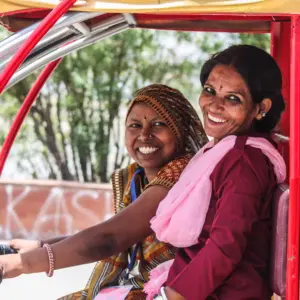
To compile the 2026 index, researchers surveyed more than 24,000 residents across dozens of countries, gathering first-hand perspectives on urban life directly from the locals who experience it every day. Rather than relying strictly on corporate data or macroeconomic metrics, the survey asked city dwellers to evaluate subjective, personal factors that directly impact daily emotional well-being.
Participants responded to a series of targeted statements, evaluating whether their city actively contributes to their happiness, whether they feel happier residing there than in other places they have lived or visited, whether the people in their surrounding neighborhoods project positivity, and whether they regularly find joy in the everyday experiences their city offers. Researchers also examined specific urban attributes, including the abundance of green spaces, the quality of neighborhood walkability, the richness of local art and culture, the vitality of street life, the affordability of local food, and the overall ease of making social connections.
When the data was processed, Jaipur stood out prominently alongside global top-performer Bath, England. While Bath captured the number one spot with overwhelming praise for its historical charm and easy community building, Jaipur claimed the sixth position globally due to its extraordinary scores in social warmth, everyday joy, and cultural vitality. The survey revealed that residents of Jaipur experience an exceptionally high degree of satisfaction with their city’s social fabric, proving that a high quality of life does not depend on cold, hyper-futuristic infrastructure, but on an environment that honors human connection.
Architectural Harmony and Human-Centric Urban Design
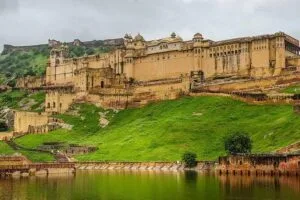
To understand why Jaipur inspires such contentment among its inhabitants, one must examine its foundational design. Long before modern urban planners began extolling the virtues of human-scale architecture and walkable neighborhoods, Jaipur was deliberately planned around these exact principles. Established in 1727 by Maharaja Sawai Jai Singh II alongside the brilliant architect Vidyadhar Bhattacharya, Jaipur stands as one of India’s earliest planned cities.
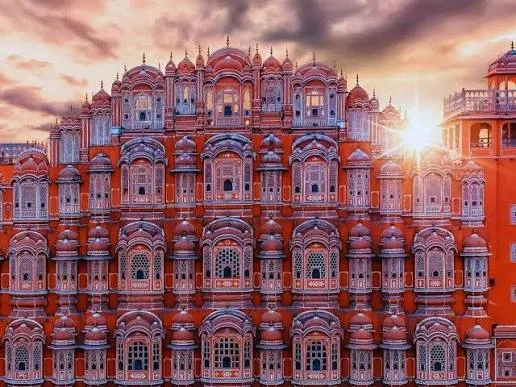
The old grid system of the historic walled city was divided into distinct sectors known as chowkris, connected by wide, tree-lined arterial boulevards and crisscrossed by pedestrian-friendly side lanes. The uniform terracotta-pink facade—originally painted to welcome the Prince of Wales in 1876 and preserved by law ever since—creates an immediate sense of visual harmony and aesthetic tranquility. This deliberate architectural order provides a calm structural backdrop that prevents the city from feeling chaotic, even during peak market hours.
Unlike many modern megalopolises that prioritize vehicular traffic over pedestrian life, Jaipur’s historic core was designed for human movement and social interaction. Verandahs line the shopfronts of Johari Bazaar and Bapu Bazaar, offering sheltered walkways where shoppers and merchants engage in unhurried conversation. The presence of open public squares, heritage gates, and accessible courtyards encourages people to pause, gather, and interact. This centuries-old spatial layout continues to pay emotional dividends today, ensuring that residents remain physically connected to their surroundings and to one another.
The Culinary Experience as a Catalyst for Joy
It is impossible to discuss the happiness of Jaipur without highlighting its extraordinary food culture. In the Pink City, food is far more than simple nourishment; it serves as a central pillar of social bonding, a source of pride, and an essential daily ritual that brings people together across all walks of life.
A typical morning in Jaipur often begins not in solitude, but in communal spaces surrounded by fellow citizens enjoying freshly prepared local delicacies. Crisp, golden pyaaz kachoris served hot with tangy tamarind chutney, piping-hot samosas, and fragrant cups of masaledar chai at iconic corners like Gulab Ji Chai Wale form the social centerpiece of early morning routines. Neighbors gather around these modest street kiosks to discuss local news, share laughter, and start their day on a warm, positive note.
As the day unfolds, the city’s rich culinary landscape offers an endless variety of comforting flavors. Traditional sweet shops like Laxmi Misthan Bhandar serve delicate, syrup-infused ghevar and creamy rabri, while royal recipes such as rich laal maas and wood-fired dal baati churma celebrate the region’s rich heritage. At the same time, modern cafes, artisan bakeries, and contemporary eateries flourish in modern neighborhoods like C-Scheme and Raja Park, offering international fare ranging from fresh pastas to specialty coffees. This seamless coexistence of time-honored traditional food stalls and innovative dining spaces ensures that culinary delight remains accessible, affordable, and joyful for everyone in the city.
Green Refuges and the Charm of Living History
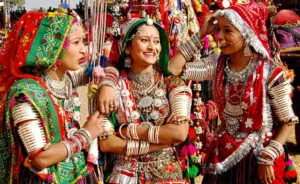
In many rapidly growing cities, concrete expansion consumes natural landscapes, leaving residents starved for nature and recreation. Jaipur, however, offers a rare and harmonious balance between vibrant urban hustle and serene green spaces.
Central Park, located in the heart of the city, serves as Jaipur’s green lung. Featuring a massive expanse of lush lawns, mature trees, a five-kilometer walking track, and a prominent national flagpole, the park draws thousands of residents every morning and evening. Yoga enthusiasts, runners, families with young children, and senior citizens gather here to exercise and relax amidst nature. Similarly, spaces like Jawahar Circle—home to one of Asia’s largest circular parks—and the tranquil biodiversity reserve at Smriti Van provide vital sanctuaries where locals can escape urban noise without leaving the city perimeter.
Complementing these natural spaces is the overwhelming presence of living history. Residents of Jaipur do not view heritage sites as distant museum pieces reserved solely for tourists; these landmarks are integrated into the rhythm of daily life. Commuters ride past the intricate latticework of Hawa Mahal on their way to work, spend weekend afternoons gazing at the reflection of Jal Mahal across the waters of Man Sagar Lake, or watch sunsets from the elevated ramparts of Nahargarh Fort overlooking the glowing city below. Living amidst such architectural majesty instils a profound sense of historical continuity, cultural identity, and civic pride among locals, significantly boosting overall emotional satisfaction.
A Gentle Rhythm and Strong Community Bonds
Perhaps the most significant factor behind Jaipur’s top-tier ranking on the 2026 Happiness Index is its unique pace of life. In global powerhouses like Delhi or Mumbai, the relentless hustle, extended commute times, and overwhelming crowds can easily lead to social alienation and burnout. Jaipur, by contrast, strikes an ideal equilibrium between economic dynamism and relaxed living.
The city provides all the conveniences of a modern state capital—including an expanding metro network, premier educational institutions, high-quality medical facilities, and a growing technology sector—without sacrificing its soul to frantic overdevelopment. Commute times remain manageable, allowing residents to spend more quality hours with family and friends rather than trapped in endless traffic congestion.
This balanced tempo directly nourishes the city’s social fabric. In Jaipur, the concept of neighborhood community remains active and thriving. People know their neighbors by name, shopkeepers inquire genuine news about their customers’ families, and celebrations are shared collectively. Festival seasons elevate this sense of togetherness to even greater heights. During festivals like Teej, Gangaur, and Diwali, the entire city transforms into an open-air celebration, adorned with brilliant light displays, traditional music, and colorful street processions that bring together people of all generations and backgrounds.
Furthermore, Jaipur has established itself as a premier cultural hub on the global stage. Events like the annual Jaipur Literature Festival attract world-class thinkers, writers, and artists, offering locals direct access to global intellectual discourse without requiring them to relocate to mega-cities. This rich blend of local tradition and international exposure creates an intellectually stimulating yet emotionally grounded environment.
Lessons for the Future of Urban Living
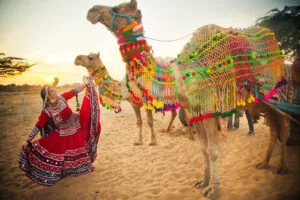
The inclusion of Jaipur as the 6th happiest city in the world on Time Out’s 2026 list offers valuable lessons for city planners, policymakers, and developers worldwide. It clearly demonstrates that building a great city requires far more than constructing steel towers and expansive highways; it requires nurturing human connections, preserving cultural identity, protecting green public spaces, and prioritizing the emotional well-being of everyday citizens.
As urbanization accelerates across the developing world, Jaipur stands out as an inspiring model of how a city can modernize while preserving its historic identity and warm community spirit. The Pink City proves that true prosperity is measured not by speed or stress, but by the smiles on the faces of the people who walk its streets every day.
For anyone who has experienced the gentle morning light falling across the pink facades of Johari Bazaar, enjoyed a hot cup of chai while chatting with a friendly local, or watched the sunset over the Aravalli hills from Nahargarh, Jaipur’s global recognition comes as no surprise. The Pink City has long been a place of beauty, but now the rest of the world officially knows what its residents have always felt: Jaipur is truly one of the happiest places on Earth.
Follow us on instagram for every bit by bit updates – @desibooze.
Also see-