
Wednesday, December 24, 2025
Home Blog Page 7

Babies Sleeping Outside in Cold: The Surprising Soviet Tradition and Its Impact

0
babies sleeping outside in snow

When we think of babies, we often imagine them wrapped in blankets, kept warm and cozy indoors at all times. But did you know that in 1950s Moscow, it was common for babies  sleep outside — even in freezing winter conditions? This seemingly strange practice, rooted in Soviet childcare traditions, aimed at strengthening babies’ immune systems and promoting better health. Let’s dive into how this tradition started, what impact it had, and why some cultures still embrace it today.

How It All Began: Fresh Air for Stronger Babies

Baby Outside

In the cold climates of Soviet Russia, parents and childcare institutions faced the challenge of keeping children healthy in harsh winter conditions. The origins trace back to an observation linked to the Romanov era, where the absence of outdoor fresh air was associated with poor health among the aristocracy. Soviets believed that regular exposure to crisp, cold air helped develop stronger immune systems, better lung function, and resistance to diseases.

By the 1950s, this belief evolved into a widely practiced childcare routine: babies were bundled up in warm clothes and sleeping bags and left to nap outdoors in prams or cots. Photos from Moscow in 1958 famously show rows of infants sleeping peacefully in the snow, watched over by caregivers. This tradition was backed by doctors of the era, who advocated for well-ventilated sleeping environments to reduce respiratory illnesses.

The Impact: Health Benefits and Social Effects

Babies Outdoors

So, did this chilly sleepwork? Anecdotal evidence and cultural acceptance suggest yes. Many adults who were raised with this outdoor napping tradition report better overall health and fewer childhood illnesses. The cold outdoor naps encouraged babies to adapt and develop resilience to seasonal viruses—an early form of natural immunity training.

Apart from health, the practice shaped social norms too. It reflected a society focused on collective childcare, where preschools and kindergartens embraced outdoor routines despite weather conditions. Children learned to face the elements, which arguably contributed to a hardier generation.

Tradition Beyond Russia: Nordic Countries and Today’s Practices

Babies Are Outside In Snow

Interestingly, Russia is not alone. In Nordic countries such as Finland, Sweden, and Denmark, the tradition of letting babies nap outdoors in cold weather persists. Parents and childcare centers maintain that fresh air improves sleep quality—babies often sleep longer and deeper outdoors. Modern research supports these claims, highlighting benefits like reduced respiratory infections and enhanced physical and mental well-being.

Safety remains paramount. Parents bundle babies in wool clothes and warm sleeping bags, ensuring they are protected against hypothermia. The philosophy here is summed up in the Scandinavian saying: “There is no bad weather, only bad clothing.”

What Can We Learn from This?

This outdoor napping tradition challenges modern assumptions about baby care. It points to the importance of fresh air, exposure to nature, and moderate environmental stress as factors for immune development. While it’s not for everyone, and safety measures are critical, this practice offers valuable insights for parents and childcare providers about holistic childhood wellness.

Ultimately, it shows how cultural beliefs—whether in Soviet Russia or Nordic Europe—shape parenting methods that endure through generations, adapting in light of new science but rooted in tried-and-tested experience.

Fitness Trends Inspired by Indian Athletes: Training, Diet, and Lifestyle Secrets

0
Indian Athletes picture

India has produced world-class athletes who continue to inspire millions with their grit, discipline, and unwavering determination. From cricket legends to Olympic champions, Indian athletes are not just role models in their respective sports—they are also shaping Indian fitness trends that are gaining traction among health-conscious people worldwide.

Today’s sports stars show us that fitness is no longer just about lifting weights or running miles; it’s about holistic well-being blending physical strength, mindful nutrition, and balanced lifestyles. Let’s explore the fitness lessons we can learn from Indian athletes and how you can adapt them into your daily routine.

The Fitness Revolution Sparked by Indian Athletes

The Fitness Revolution Sparked By Indian Athletes

In recent years, Indian athletes like PV Sindhu, Neeraj Chopra, and Virat Kohli have not only won medals but also redefined how people in India look at fitness. Their disciplined approach to training, clean eating habits, and strong focus on mental health are inspiring a new wave of health and lifestyle trends.

These fitness icons show us that success isn’t just about natural talent—it’s about building consistency, resilience, and discipline.

Training Routines That Inspire

1. Strength and Conditioning Workouts

Conditioning Workout Picture

Athletes emphasize functional strength over “just looking fit.” Cricket players like Virat Kohli focus on agility drills, strength training, and HIIT (High-Intensity Interval Training) to stay match-ready. These forms of training improve stamina, speed, and endurance—traits useful not just in sports but in everyday life.

2. Sport-Specific Drills

Sport-Specific Drills

Badminton and wrestling champions dedicate hours to sport-focused training like shuttling drills or mat exercises, which build both precision and resilience. This teaches us that fitness should align with personal goals—whether it’s muscle flexibility, weight loss, or improving cardiovascular health.

3. Yoga and Recovery Rituals

Yoga

Many Indian athletes incorporate yoga, stretching, and meditation into their regime, not just for physical flexibility but also for mental clarity. Yoga’s global popularity owes much to its proven effect on recovery, stress relief, and balance—something athletes highlight consistently.

Diet Lessons for Everyday Fitness

Diet For Everyday Fitness

Nutrition plays a vital role in an athlete’s life and has become one of the strongest Indian fitness trends.

  • Clean Eating: Athletes like Virat Kohli follow a high-protein, plant-forward diet that avoids junk food, sugar, and processed items.

  • Traditional Indian Foods: Lentils, ghee, turmeric, and millet are making comebacks in modern diets, promoted for their rich nutrients and natural health benefits.

  • Hydration and Timing: Many athletes stick to disciplined eating windows, emphasizing pre- and post-workout meals for maximum performance.

This shift shows that successful fitness doesn’t mean copying Western diets—it’s about leveraging nutrient-rich Indian food traditions in a modern way.

Lifestyle Choices That Make the Difference

Lifestyle Choices That Make The Difference

Apart from training and diet, the way athletes live daily offers essential lessons for long-term fitness.

  • Sleep as Non-Negotiable: Indian athletes emphasize 7–8 hours of rest for recovery and performance optimization.

  • Consistency Over Intensity: It’s consistency that builds champions. Instead of crash diets or sudden workout bursts, daily balance creates sustainable progress.

  • Mental Fitness: The role of meditation, visualization, and sports psychology has grown tremendously. Athletes showcase that mental strength is just as important as physical prowess.

Global Influence Of Indian Fitness Trends

What started as personal discipline among athletes is now reshaping global fitness approaches. Yoga studios worldwide, plant-based diets with Indian superfoods, and holistic well-being are all gaining popularity because of India’s cultural and athletic impact. Aspirants across the globe take cues from these stars, often blending modern training science with ancient Indian wisdom.

Final Thoughts

Indian athletes are inspiring a new era of wellness where strength, nutrition, and mindfulness form the foundation of a healthy life. By adapting these Indian fitness trends, you don’t need to be a professional athlete to transform your lifestyle—you just need discipline, balance, and a proactive mindset.

As India continues to shine on the global sports stage, its athletes are not just winning medals—they are redefining fitness for the world.

India’s Startup Ecosystem: Key Sectors Driving Growth Over the Next Decade

0
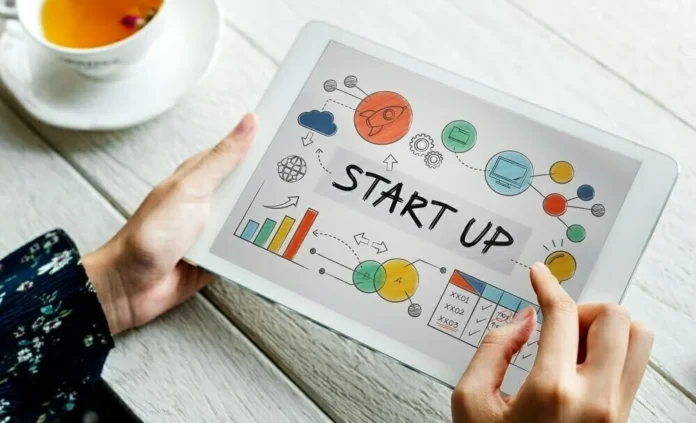
India’s Startup Ecosystem

India’s startup ecosystem has transformed the country’s economic landscape, turning cities into innovation hubs and creating opportunities for millions. Over the last decade, India became the third-largest startup ecosystem globally, and the momentum is set to accelerate. The question now is: which sectors will drive this growth over the next ten years?

Technology and Software: The Lifeblood of Innovation

Technology And Software Innovation

At the core of India’s startup boom is the technology sector. From artificial intelligence and machine learning to cloud computing and software-as-a-service (SaaS), Indian startups are creating solutions not just for domestic needs but for global markets.

Startups focusing on digital transformation in enterprises, cybersecurity, and data analytics will see substantial growth. This sector’s adaptability and scalability make it the backbone of India’s future economy.

Fintech: Revolutionizing Financial Access

Fintech Revolutionizing

India’s fintech sector has been a star performer. Startups like Razorpay, PhonePe, and PolicyBazaar have disrupted traditional banking and insurance landscapes by making financial services accessible to millions.

With India’s demonetization drive and increased smartphone penetration, digital payments, lending, insurtech, and blockchain-based solutions are expanding fast. As financial inclusion grows, fintech will remain a major growth engine in the startup ecosystem.

Healthcare and Healthtech: Healing Digital Revolution

Healthcare And Healthtech

The pandemic spotlighted the need for digitizing healthcare. Telemedicine, health diagnostics, wearable tech, and AI-powered drug discovery are some areas where startups are innovating rapidly.

India’s large population and growing middle class demand affordable, scalable healthcare solutions. Startups in healthtech can bridge gaps in rural access and personalized care, making this a promising sector for the decade ahead.

E-commerce and D2C Brands: Direct-to-Consumer Growth

E-Commerce And D2C Brands

E-commerce in India has exploded thanks to rising internet penetration and logistics improvements. Startups adopting Direct-To-Consumer (D2C) models are reshaping retail by creating niche brands in fashion, beauty, food, and home goods.

With India’s youth embracing online shopping, startups tapping into this trend through personalized experiences and omnichannel strategies will witness significant growth.

Edtech: Empowering Learning for All Ages

Edtech

Education technology startups have boomed by providing online classes, test-prep, professional upskilling, and language learning. Platforms like Unacademy and Byju’s redefined learning for millions of students and professionals.

The future holds vast opportunities as digital learning becomes more inclusive, personalized, and affordable, driving growth in the edtech sector.

Sustainability and Clean Tech: Green Innovation

Sustainability And Clean Tech

Environmental concerns have led to the rise of sustainable startups focusing on clean energy, waste management, water conservation, and circular economy solutions.

India’s commitment to renewable energy and sustainable development creates a fertile ground for startups targeting eco-friendly innovations, aligning profit with purpose for long-term growth.

Why India’s Startup Ecosystem Is Poised for Growth

India’s Startup Ecosystem Growth

Several factors support this optimistic outlook: government initiatives like Startup India, increased funding by domestic and international investors, an expanding pool of skilled entrepreneurs, and a youthful, tech-savvy population eager to adopt innovations.

This ecosystem fosters collaboration, mentorship, and access to resources, creating a robust pipeline of scalable startups that can compete globally.

Conclusion: A Decade of Dynamic Growth and Innovation

India’s startup ecosystem is on the cusp of a dynamic decade powered by diverse sectors each forging unique paths toward innovation.

Technology, fintech, healthcare, e-commerce, education, and sustainability aren’t just buzzwords—they represent the pillars shaping India’s future economy and global influence.

For entrepreneurs, investors, and consumers alike, understanding these key sectors provides insight into where growth opportunities lie and how India is redefining its place in the world’s innovation map.

Holistic Wellness in India: Integrating Ayurveda and Modern Medicine for Lasting Longevity

0
Embracing Holistic Wellness

India’s age-old traditions and modern advancements converge uniquely in the realm of health and well-being. The growing trend of holistic wellness in India blends the time-tested wisdom of Ayurveda with cutting-edge modern medicine, offering a balanced path toward longevity and optimal health. This integrative approach not only treats symptoms but nurtures the whole person—mind, body, and spirit.

Ayurveda: The Ancient Science of Life

Ayurveda The Ancient Science Of Life

Ayurveda, meaning “the science of life,” is one of the world’s oldest healthcare systems. Rooted in Indian philosophy, it emphasizes balance among the three doshas—Vata, Pitta, and Kapha—to maintain health.

This holistic system uses natural herbs, diet, meditation, and detoxification therapies like Panchakarma to rejuvenate the body. Ayurveda focuses on preventing illness through lifestyle tweaks and personalized treatments, making it a powerful tool for long-term wellness.

Modern Medicine: Advances and Precision

Ayurveda Addressing Root Causes And Emphasizing Prevention.

Contemporary medicine excels at diagnosing diseases quickly and offering evidence-based treatments. From advanced surgeries to pharmaceuticals, modern medicine has revolutionized healthcare and dramatically improved life expectancy worldwide.

Yet, it often focuses on isolated symptoms rather than overall well-being, which is where Ayurveda complements beautifully by addressing root causes and emphasizing prevention.

Bridging the Gap: Holistic Wellness in India

Holistic Wellness

The true power lies in combining the best of both worlds. More healthcare practitioners and wellness centers in India are now integrating Ayurveda’s personalized care approach with modern diagnostics and treatments.

For example, chronic conditions like diabetes, arthritis, and stress-related disorders respond well to this fusion approach. Doctors may recommend Ayurveda-based lifestyle changes alongside conventional medication to enhance effectiveness and reduce side effects.

Why Indians Are Embracing Holistic Wellness

Embracing Holistic Wellness

As lifestyle diseases rise and stress levels soar, many Indians seek more than just quick fixes—they want sustainable health. Holistic wellness appeals because it treats the person as a whole, including mental and emotional health, which modern medicine sometimes overlooks.

Additionally, Ayurveda’s natural remedies reduce dependency on synthetic drugs, which aligns with the global demand for organic and chemical-free solutions. The cultural familiarity of Ayurveda also makes it a trusted choice.

Mindfulness and Longevity: The Heart of Holistic Wellness


Practices like yoga, meditation, and breathing exercises form an essential part of this integrated wellness. These age-old methods reduce stress, improve mental clarity, and boost immunity, creating a fertile ground for longevity.

The combination of mindfulness with medical science offers a comprehensive wellness model addressing lifestyle, diet, and emotional balance—the pillars of a longer, healthier life.

Challenges and the Road Ahead

While holistic wellness is promising, challenges remain: standardization of Ayurvedic treatments, scientific validation, and ensuring skilled practitioners.

The Indian government and private sector are making strides through research, education, and accreditation to build confidence globally. As more studies validate Ayurveda’s benefits, integrative wellness will become even more accessible and accepted both in India and abroad.

Conclusion

India’s journey toward holistic wellness is a testament to the power of blending ancient wisdom with modern innovation. By integrating Ayurveda and modern medicine, individuals not only treat illnesses but build a resilient foundation for long-lasting health and vitality.

This approach embodies the true meaning of wellness—living in harmony with oneself and the environment, embraced through balance, prevention, and mindful living.

The Ultimate Guide to Indian Street Food Culture Across Regions

0
Indian Street Food Culture pic

India’s streets come alive not just with people but with aromas, flavors, and the irresistible allure of street food. The country’s Indian street food culture is a vibrant tapestry woven from centuries of culinary tradition, regional diversity, and street-side innovation. From the bustling lanes of Delhi to the coastal markets of Mumbai, each region showcases its own unique flavors and stories that draw locals and tourists alike.

Whether you’re a foodie or a curious traveler, understanding India’s street food culture is to understand a crucial part of its heart and soul.

North India: The Land of Chaat and Tandoori

Chicken Tandoori Picture Delhi Chat Picture

In North India, especially Delhi and Lucknow, street food is a celebration of bold spices and tangy tastes. The ever-popular chaat includes samosas, aloo tikki, gol gappas (pani puri), and papdi chaat—dishes that perfectly combine crunchy, sweet, sour, and spicy flavors.

Don’t miss the smoky delight of tandoori chicken or the silky richness of butter naan served fresh from the clay oven. These dishes offer a window into the royal Mughlai heritage, making every bite a story of tradition and craftsmanship.

West India: Where Mumbai Rocks With Vada Pav and Pav Bhaji

Vada Pav And Pav Bhaji Picture

Mumbai’s street food is a world of its own. The iconic vada pav, often called India’s burger, is a simple yet addictive potato fritter sandwiched between buns and slathered with chutneys.

Pav bhaji, a spicy vegetable mash served with buttered pav, is another Mumbai staple loved across the city and beyond. Coastal regions like Goa add their own flavors through seafood delights like prawn balchão and feni-infused snacks, showing how local culture shapes taste.

East India: Sweets and Savory Wonders

Sweets And Savory Wonders

Kolkata and Odisha bring a sweet and savory contrast to the street food scene. Kolkata’s famous puchka (similar to pani puri but tangier) and kathi rolls are must-tries for any visitor. The city’s love for sweets shines in rossogolla and sandesh, desserts crafted with chenna (cottage cheese) that flirt with every sweet tooth.

Odisha’s street food includes delicacies like dastoori (rice flour rolls) and chakuli pitha (rice pancakes), showing off the simple yet profound flavors of the region.

South India: Dosas, Idlis, and Filter Coffee

Dosas, Idlis, And Filter Coffee

South India’s street food is world-renowned for its light, wholesome flavors. Crisp dosas, fluffy idlis, and spicy medu vadas served with coconut chutney and sambar beckon food lovers.

Cities like Chennai and Bengaluru are famous for their bustling street-side darshinis where these dishes are enjoyed hot and fresh at affordable prices. Don’t forget the strong, aromatic filter coffee served in steel tumblers, offering a perfect end to any meal.

Why Indian Street Food Culture Matters

Family Enjoying Indian Street Food Ai Picture

Indian street food is more than just sustenance—it’s a social experience, a culinary heritage, and a testament to India’s diversity. It brings people from all walks of life together, bustling markets and busy corners becoming gathering spots where stories and flavors mingle.

Each bite holds history and identity, reminding us that food is a powerful connector beyond language or geography.

Tips for Exploring Indian Street Food Safely

Exploring Indian Street Food Safely

While street food is tempting, it’s important to stay safe. Choose stalls that are busy and popular among locals, check for cleanliness, and prefer freshly cooked items. Carry hand sanitizer and drink bottled water to avoid stomach troubles.

Conclusion: Celebrate the Flavorful Journey

The Indian street food culture across regions invites you on an unforgettable gastronomic journey. Whether it’s the tangy chats of the North, the hearty pav bhaji of the West, the sweet treats of the East, or the wholesome dosas of the South, each bite captures a piece of India’s diverse and lively spirit.

So next time you wander through India’s streets, remember—you’re tasting history, culture, and community all at once.

Sustainable Fashion in India: The Future of Ethical Shopping

0
Sustainable Fashion Posters

Fast fashion may have dominated wardrobes for years, but today’s conscious shoppers are asking tougher questions—Who made my clothes? What materials were used? How do my purchases impact the planet? This shift in awareness has given rise to sustainable fashion in India, where style meets responsibility.

With growing climate concerns and changing consumer behavior, sustainable fashion is no longer a niche—it’s quickly becoming the future of ethical shopping.

What Does Sustainable Fashion Really Mean?

Sustainable Fashion Means

At its core, sustainable fashion is about creating clothes, accessories, and footwear while considering people, the planet, and profits ethically. It goes beyond trends, focusing on eco-friendly fabrics, fair trade practices, and reducing waste in the fashion industry.

For India, however, it’s not entirely “new.” Our traditional fashion—handlooms, khadi, and naturally dyed fabrics—has always leaned toward sustainability. The modern take simply revives and globalizes this inherent wisdom.

The Rise of Sustainable Fashion in India

The Rise Of Sustainable Fashion In India

In recent years, India has seen a boom in brands and designers embracing sustainability. From well-known labels like Anita Dongre’s Grassroot to startups like No Nasties and Brown Living, the industry is slowly shifting gears.

These brands are experimenting with organic cotton, bamboo fabrics, recycled polyester, and zero-waste designs. What appeals most to young consumers is not just the style factor, but the story behind each piece—making fashion personal, mindful, and guilt-free.

Why Indian Consumers Are Choosing Ethical Shopping

Indian Consumers Are Choosing Ethical Shopping

The new generation of Indian shoppers, especially urban millennials and Gen Z, want more than just trendy outfits. They care about climate change, ethical wages, and the environmental cost of fast fashion. Rising awareness through documentaries, social media campaigns, and global movements like Fashion Revolution Week have only fueled this demand.

Additionally, post-pandemic shopping habits have shifted. Consumers are moving away from impulsive buying to mindful purchasing—owning fewer, better-quality clothes instead of piling wardrobes with disposable fashion.

Sustainable Fabrics: The New Cool

Sustainable Fabrics

One of the most exciting aspects of sustainable fashion in India is the focus on innovative fabrics. Organic cotton is now widely available, but designers are going further with hemp, bamboo silk, banana fiber, and even recycled plastic yarns.

What makes these fabrics stand out is their comfort, durability, and reduced environmental footprint. Moreover, they celebrate India’s heritage of textile craftsmanship while looking forward with innovation.

Challenges on the Road to Ethical Shopping

Challenges On The Road Sign

Of course, the journey isn’t without challenges. Sustainable fashion often comes at a higher price due to the use of ethical materials and fair labor practices. Many consumers still view it as “expensive” compared to fast fashion giants.

However, the shift is happening. Just as organic food found its market with patient awareness, so too will sustainable fashion as more people realize that paying more upfront saves the planet—and delivers longer-lasting clothes.

The Role of Technology and E-commerce

The Role Of Technology And E-Commerce View

Digital platforms and e-commerce have played a huge role in spreading awareness about sustainable shopping. Online sustainable marketplaces, Instagram stores, and ethical influencers are making it easier for conscious consumers to discover brands and shop ethically.

From upcycled accessories to biodegradable packaging, these platforms are pushing the narrative that “shopping smart is the new shopping trend.”

The Future of Sustainable Fashion in India

Natural Colored Dresses Hanging On On A Tree In The Garden With Lupine Flowers. Concept Organic Clothes

Looking ahead, the future of ethical shopping in India shines bright. As awareness grows, more mainstream brands are expected to adopt eco-conscious practices. Government initiatives supporting handloom weavers and startups promoting circular fashion are further strengthening this movement.

Most importantly, consumers are learning to value quality over quantity—investing in timeless pieces rather than disposable trends. If this mindset continues, India could very well lead the global wave of sustainable fashion in the years to come.

Conclusion

The rise of sustainable fashion in India is more than just a trend—it’s a movement toward conscious living. With eco-friendly fabrics, mindful brands, and socially aware consumers, ethical shopping is shaping the future of style.

After all, fashion isn’t just about looking good—it’s about feeling good in what you wear, knowing it was made responsibly for people and the planet.

The Rise of Digital Streaming in India: How It’s Changing TV and Movies

0
Digital Streaming in India

Over the last decade, the entertainment industry in India has witnessed a revolution like never before. With the advent of high-speed internet and affordable smartphones, digital streaming in India has become a household phenomenon. Platforms like Netflix, Amazon Prime Video, Disney+ Hotstar, and JioCinema have redefined how Indians consume content, shifting the audience away from traditional television and cinemas.

But what does this mean for TV, movies, and the future of Indian entertainment? Let’s dive in.

From Cable TV to Streaming Apps

Streaming Apps

Not too long ago, family evenings in India revolved around cable TV serials and weekend movies on set-top boxes. However, the OTT (Over-the-Top) boom changed viewing habits completely. With streaming apps, viewers no longer have to wait for a weekly showtime; they can binge-watch entire seasons in one go.

This on-demand access has redefined convenience. Now, Indian audiences—especially millennials and Gen Z—prefer smartphones or smart TVs over traditional cable services.

Bollywood Meets OTT: A New Era for Movies

Ott Platform

The arrival of digital platforms has transformed how Bollywood releases films. During the pandemic, when theaters were closed, many films like Gulabo Sitabo and Shershaah premiered directly on streaming services.

This shift has continued even after cinemas reopened. Small-budget movies and experimental projects now often prefer OTT releases because they instantly reach millions without the pressure of box office numbers. At the same time, big-screen blockbusters like Pathaan or RRR also land on OTT after their theatrical runs, extending their audience reach across the globe.

TV Content vs. Web Series: The Shift in Storytelling

Tv Content Vs. Web Series

Traditional Indian television has long been dominated by soap operas and family dramas. While they still have a loyal audience, young viewers are drawn to the realistic storytelling of web series.

Shows like Sacred GamesPaatal Lok, and Mirzapur broke the stereotype of “family-friendly TV” by introducing gritty, bold, and globally appealing narratives. This creative freedom is one of the biggest reasons behind the explosive growth of digital streaming in India.

Regional Cinema and Global Recognition

Regional Cinemas Poster

One of the most exciting impacts of OTT platforms has been the rise of regional content. Tamil, Telugu, Malayalam, Bengali, and Marathi films and series are reaching audiences far beyond their states.

Movies like Minnal Murali (Malayalam) or Jai Bhim (Tamil) saw worldwide acclaim because streaming platforms gave them an accessible stage. This has opened doors for Indian regional cinema to compete on a global level, something traditional TV or films rarely achieved.

Affordable Internet = Wider Reach

Affordable Internet Availability

The growth of digital streaming in India wouldn’t have been possible without affordable mobile data. Thanks to the internet revolution led by companies like Jio, streaming content is no longer limited to metro cities. Small towns and rural audiences are becoming key contributors, shaping the demand for diverse, regional, and relatable content.

The Future: Hybrid Entertainment

Hybrid Entertainment Visual

So, will streaming completely kill TV and cinemas? Not likely—at least not anytime soon. Instead, a hybrid entertainment model is emerging. TV continues to serve a section of the audience, especially older generations, while cinemas remain strong for blockbuster spectacles.

But what’s clear is that digital streaming is no longer just the future—it’s the present. Personalized recommendations, original Indian series, and global collaborations are all signs pointing toward a future where OTT dominates the entertainment landscape.

Conclusion

The rise of digital streaming in India has transformed the way we enjoy movies and shows. From providing convenience and variety to giving regional cinema global exposure, OTT has democratized entertainment like never before.

For audiences, it means freedom of choice; for creators, it means more opportunities; and for India, it marks a new chapter in how its stories travel across the world.

The screen may be smaller than a movie theater, but the impact of digital streaming on Indian entertainment is nothing short of massive.

How Bollywood Influences Global Fashion Trends Year After Year

0
bollywood fashion stylists

Bollywood has always been more than just cinema—it’s a cultural powerhouse that inspires music, lifestyle, and especially fashion trends worldwide. The glitz of Bollywood isn’t confined to Indian audiences; it’s now a style statement across the globe. From classic sarees worn by icons in the 60s to modern designer gowns showcased on international red carpets, Bollywood fashion trends continue to redefine how the world views Indian style.

Let’s explore how Bollywood continues to shape global fashion, year after year.

The Timeless Charm of Traditional Attire

Bollywood In Traditional Attire

One of Bollywood’s strongest fashion exports has been Indian ethnic wear. The saree, lehenga, and salwar kameez became instantly recognized around the world thanks to Bollywood actresses showcasing them both on-screen and during global events.

Think of the elegance Rekha brought in her silk sarees or how Deepika Padukone and Priyanka Chopra have flaunted designer lehengas internationally. These iconic moments have made Indian traditional attire a global trend, seen not only during Indian festivals abroad but also at international weddings and fashion weeks.

The Red Carpet Effect: Bollywood Meets Hollywood

Red Carpet

Bollywood stars have increasingly become regular faces at global red carpets—from Cannes Film Festival to the Met Gala. Their choice of clothing blends Indian influences with international couture.

For instance, Sonam Kapoor, known as Bollywood’s fashionista, has often been praised globally for her fusion looks combining Western silhouettes with Indian-inspired embroidery. Likewise, Priyanka Chopra brought global attention to Indian designers, proving that Bollywood is not just about following fashion but also creating it.

Bollywood’s Impact on Everyday Style

Bollywood’s Impact On Everyday Style

It’s not just red carpets where Bollywood shines. Everyday street fashion often takes inspiration from Bollywood films. From Salman Khan’s iconic scarf in Dabangg to Alia Bhatt’s youthful fusion wear in Student of the Year, Bollywood films set the tone for what the younger generation wears.

Western streetwear brands have also noticed this crossover—Indian-inspired embroidery, colorful prints, and fusion outfits now appear in global collections, influenced by what audiences first adored in Bollywood movies.

Music Videos and Dance Numbers as Fashion Statements

Music Videos And Dance Numbers As Fashion Statements

Bollywood song sequences are a fashion runway of their own. Outfits worn by stars during chartbuster songs have often become instant global sensations. Be it Madhuri Dixit’s famous purple saree in Hum Aapke Hain Koun or more recent glamorous outfits in party numbers, Bollywood music often dictates the global moodboard of festive fashion.

These iconic looks get replicated in music, television shows, and even international fashion shows, showing how films have a ripple effect beyond India.

Bollywood Celebrities as Global Fashion Ambassadors

Bollywood Celebrities As Global Fashion Ambassadors

Perhaps the strongest influence comes from how Bollywood actors themselves have transformed into global style icons. Priyanka Chopra, Deepika Padukone, and Ranveer Singh are often seen collaborating with top international designers like Ralph Lauren, Louis Vuitton, and Gucci.

With millions of followers on Instagram, these celebrities showcase Indian-inspired outfits and create trends overnight. Their influence ensures Bollywood fashion evolves into a worldwide phenomenon rather than remaining a regional flair.

The Rise of Fusion Fashion

The Rise Of Fusion Fashion

Today, Bollywood is no longer about choosing between Eastern and Western wear—it’s all about fusing them. Whether it’s pairing sneakers with sarees, layering lehengas with jackets, or mixing Indian embroidery with modern cuts, Bollywood has pushed global designers toward embracing fusion fashion trends.

This unique blend ensures Bollywood’s style offerings stand out in an otherwise repetitive global fashion industry.

Conclusion: Bollywood’s Global Runway

The Bollywood fashion trends we see each year are proof of the industry’s unmatched power to influence the world. From traditional attire to global red carpets and Instagram reels, Bollywood fashion continues to inspire, adapt, and shine across borders.

Fashion is ever-changing, but if one thing remains constant, it’s Bollywood’s ability to set trends that never fade—making it not just a film industry, but a global fashion runway.

Top 10 Iconic Indian Comedy Scenes That Always Make Us Laugh

0
comedy movie poster

Laughter has always been the soul of Indian cinema. Over the decades, Bollywood and regional films have gifted us hilarious moments that people still quote, mimic, and share. Whether it’s clever wordplay, unforgettable characters, or perfectly timed slapstick, these iconic Indian comedy scenes prove that humor truly never ages.

Here’s a joyful ride down memory lane with the top 10 comedy scenes from Indian cinema that continue to crack us up—no matter how many times we watch them!

1. Hera Pheri – The “25 Din Mein Paisa Double” Scene

Hera Pheri Movie Scene


No comedy list is complete without Hera Pheri. Paresh Rawal’s character, Baburao Ganpatrao Apte, brought unmatched laughs with his innocence and confusion. The unforgettable “25 din mein paisa double” sequence remains one of the funniest scenes in Bollywood history.

2. Andaaz Apna Apna – Amar and Prem’s Hilarious Rivalry

Andaaz Apna Apna Movie Scene

This cult classic gave us multiple comedy gems, but the banter between Aamir Khan and Salman Khan as Amar and Prem is legendary. Their nonsensical logic, dramatic expressions, and chemistry make every scene a laugh riot.

3. Chupke Chupke – Dharmendra’s “Shuddh Hindi” Lessons

Chupke Chpke Movie Scene

Hrishikesh Mukherjee’s genius Chupke Chupke is a comedy classic. Dharmendra as Professor Parimal Tripathi teaching “pure Hindi” to Om Prakash became one of the most memorable and witty comedy sequences that generations still reference.

4. Jaane Bhi Do Yaaro – The Hilarious Mahabharata Scene

Jaane Bhi Do Yaar Comedy Scene

A satire ahead of its time, Jaane Bhi Do Yaaro gave us the iconic Mahabharata stage mashup. The chaos between characters, mistaken dialogues, and perfect timing turned the entire sequence into comic gold.

5. Bhool Bhulaiyaa – Rajpal Yadav as Chhote Pandit

Rajpal Yadav As Chote Panday

While Bhool Bhulaiyaa had horror and suspense, Rajpal Yadav’s small-town soothsayer role brought much-needed laughter. His comic timing, especially in his quirky scenes with priests and villagers, left audiences in splits.

6. Golmaal: Fun Unlimited – Confusion at Its Peak

Golmal Movie Scene

Rohit Shetty revived Hindi slapstick with Golmaal (2006). The scenes of mistaken identities, Ajay Devgn’s deadpan humor, and the chaos in the mute character’s house made this film a laugh-out-loud entertainer.

7. Padosan – The Musical Tug-of-War

Padosan Movie

This evergreen 1968 comedy is remembered most for the musical battle between Sunil Dutt, Kishore Kumar, and Mehmood. The song-as-a-battle sequence is pure brilliance, blending acting and timing into unforgettable humor.

8. Welcome – Nana Patekar and Anil Kapoor’s Failed Crime Lords

Welcome Movie Scene

Nana Patekar as Uday Shetty and Anil Kapoor as Majnu Bhai redefined gangster comedy. From the “painting scene” to their attempts at sophistication, this duo gave us some of the funniest scenes modern Bollywood has seen.

9. Dulhe Raja – Kader Khan vs. Govinda’s Restaurant Wars

Dulhe Raja Movie Scene

Govinda’s unbeatable comic timing and Kader Khan’s wittiness created side-splitting humor in Dulhe Raja. Their constant one-upmanship in running a dhaba versus a five-star hotel is still a fan favorite.

10. 3 Idiots – Rancho’s “All Is Well” Antics

3 Idiots Movie Scene

Though primarily a socially relevant film, 3 Idiots delivered amazing comic relief. From Rancho’s (Aamir Khan) impromptu classroom tricks to the ragging scene, the humor felt fresh, youthful, and timeless.

Why These Comedy Scenes Still Work

The secret behind these iconic Indian comedy scenes is their universal relatability. They aren’t bound by time or place—whether it’s Baburao’s goofy innocence, Amar and Prem’s silly arguments, or Majnu Bhai’s painting skills, we laugh because we see a slice of life exaggerated to perfection.

Comedy has the power to make us forget our worries, and these scenes have done that for decades. That’s why they are revisited on television, memes, and WhatsApp forwards even today.

Final Thoughts

Indian cinema is a treasure trove of laughter. These top 10 comedy scenes prove that while trends in filmmaking may change, humor always stays evergreen. So the next time you need a good laugh, revisit these gems—you’ll realize why they never, ever get old.

The Evolution of Indian Cinema: Journey from Golden Classics to Modern Blockbusters

0
indian cinema

Indian cinema is not just about movies—it’s a mirror of India’s culture, traditions, and changing aspirations. Over the decades, films have evolved from simple silent reels to visually stunning blockbusters that travel across the globe. The evolution of Indian cinema is a journey filled with emotions, innovation, and storytelling that has stood the test of time.

A Glimpse into the Birth of Indian Cinema

Museaum Of Indian Cinema

It all began in 1913 when Dadasaheb Phalke introduced Raja Harishchandra, India’s first feature film. With no dialogues and limited technology, these silent films relied purely on expressions and visual storytelling to connect with audiences.

The real turning point came in 1931 with Alam Ara, India’s first talkie. For the first time, viewers experienced music and dialogue on screen—and that magical combination remains at the heart of Indian movies even today.

The Golden Era of Indian Cinema: Stories That Still Touch Hearts

Raj Kapoor'S Golden Age Indian Cinema

From the 1940s to the 1960s, Indian cinema entered what many call its “Golden Era.” Legendary actors like Raj Kapoor, Nargis, Dilip Kumar, and Meena Kumari became household names. Filmmakers such as Guru Dutt and Bimal Roy created masterpieces like Pyaasa and Mother India, which beautifully captured the social struggles and dreams of a young India.

This was also when film music turned timeless—songs with poetic lyrics and soulful melodies carried emotions beyond the screen. Even today, people hum these classics, proving their lasting charm.

The Masala Magic of the 70s and 80s

1970S &Amp; 1980S Movies Poster

The 1970s opened up an era of full-fledged entertainment—action, drama, comedy, romance, and songs, all packed into one film. This recipe gave birth to what we fondly call “masala movies.”

Amitabh Bachchan’s portrayal of the “angry young man” tapped into the frustrations of everyday Indians, making him a phenomenon. At the same time, epic films like Sholay redefined what blockbusters could look like.

Interestingly, this was also a time when “parallel cinema” began to grow. Filmmakers like Shyam Benegal gave audiences realistic stories that dealt with society’s struggles, showing the true diversity of Indian filmmaking.

Bollywood Meets the World: The Global Reach of Indian Movies

Soft Power Of Bollywood Which Got Viral Globally

By the late 1990s and early 2000s, Indian cinema was no longer just for Indians. Films started using grand sets, global locations, and advanced technology. Stars like Shah Rukh Khan and Aamir Khan carried Indian films to international audiences and diaspora communities. Movies like Dilwale Dulhania Le Jayenge became cultural milestones.

More recently, epic sagas like Baahubali and RRR have not only dominated Indian theaters but also gained cult status across the world. With streaming platforms making Indian films more accessible, regional gems in Tamil, Telugu, and Malayalam have also found international recognition.

Regional Cinema Shines Alongside Bollywood

Poster With Some Actor &Amp; Actresses Having Regional Cinema

While Bollywood often makes headlines, India’s regional film industries have been equally groundbreaking. Tamil cinema’s Enthiran, Malayalam films known for realism, and Telugu blockbusters like Pushpa showcase the creativity of regional filmmakers. In fact, the diversity of Indian cinema is what makes it so unique—the ability to tell fresh stories in multiple languages while connecting with millions of viewers.

Technology and Storytelling: How Modern Blockbusters Are Redefining Cinema

Showing The Power Of Vfx

Indian films today are powered by advanced VFX, world-class cinematography, and global marketing. Movies like Krrish and Baahubali showed that India could create visually stunning spectacles to rival Hollywood.

At the same time, technology has reshaped how films are consumed. OTT platforms like Netflix, Amazon Prime, and Disney+ Hotstar have brought films directly to our homes, opening up opportunities for small-budget, content-driven cinema to shine alongside blockbusters.

From Then to Now: The Evolution of Indian Cinema

Evolution Of Bollywood Cinema

Looking back, the evolution of Indian cinema has been nothing short of extraordinary. From silent reels to musicals, from black-and-white classics to 3D spectacles, Indian movies have constantly adapted while keeping their emotional core intact.

What truly makes Indian cinema special is its ability to mix tradition with innovation—something that ensures its journey is far from over. With each decade, it continues to entertain, inspire, and connect people, not just in India, but across the globe.

✨ Final Thought: Indian cinema started as a dream projected on a white screen in 1913. Today, it has become a global celebration of storytelling, proving that films are more than just entertainment—they’re a bridge between emotions, cultures, and generations.